

.png)


What Makes a Great Brand Voice? Lessons From Brands That Get It Right
A recognizable, well-loved brand identity is one of the most powerful assets you can have for supporting your business growth goals.
After all, research shows that branding directly facilitates success, as most consumers prefer to buy from familiar, established brands with positive reputations. And they’re even likely to pay a premium for products and services they hold in high regard, with some consumers going so far as to pay 38% more for brands they perceive as ‘meaningfully different.’
Of course, many elements make up your brand’s identity. Nevertheless, it’s safe to say that brand voice is likely to have the greatest impact on how your target audience perceives your organization. As a reflection of your company’s personality and communication style, brand voice can significantly affect your ability to engage your ideal customers.
But what makes a great brand voice? Are there any ground rules you need to stick to in this regard? Or is it much more important to develop a unique, recognizable messaging style your prospects will love and recognize?
This guide looks at some of the most essential lessons you can learn about brand voice from brands that get it right.
Specific Language Makes a Brand Voice Distinctive
The biggest misconception about brand voice and identity is that it needs to be big, humorous, or even edgy to attract consumer attention. And, sure, this approach works marvelously for some brands. But personality is not a prerequisite for a strong and distinctive brand voice.
Instead, you just need to use the right language. Why? Because there’s a real connection between language and appeal.
So, you’ll find that the main priority when developing a brand voice is ensuring that your value propositions align with your ideal customers’ wants.
For instance, if you consider that 81% of shoppers ignore branding messages that seem irrelevant to their experience, there’s a strong case for prioritizing detail and specificity in your brand voice.
Rather than using vague or generic industry language, prioritize concrete information in your branded communication. Describe, in no uncertain terms, what your company does. Tell prospects who your services are for. And explain your processes to ensure leads recognize the unique value you offer.
This simplistic approach may seem plainspoken and ineffective (especially if your industry is typically dominated by niche language and buzzwords). Nevertheless, favoring a specific yet accessible brand voice can maximize the effectiveness of your brand’s communication, making complex subjects much easier for your target audience to understand.
For example, you can check out how CapitalPad, a private equity investing platform, adopts this approach. This brand uses specific, straightforward language in all its communication, and the choice is well justified. Instead of aiming to sound impressive, this type of brand voice creates clarity (around an already complex subject), while retaining a distinctive personality in an industry saturated by financial jargon that may not drive sufficient product understanding among non-expert prospects.

Source: capitalpad.com
Brand Voice Appears in Every Customer Interaction
Brand voice is not, and should not, be limited to your marketing activities.
Yes, it is a tremendous part of ensuring your promotional and sales messaging resonates with your target audience. But only prioritizing brand voice in ads, blog posts, and other long-form content can prevent you from reaping one of the biggest benefits of a distinct brand personality: its relationship-building power.
So, if you want to develop and maintain a brand reputation that drives business success, every customer interaction needs to reflect your brand’s personality and voice. This includes interface labels, navigation, category names, calls to action, and every single piece of microcopy in your online presence.
The approach may seem over-the-top, especially if you consider that the majority of how consumers perceive a business is determined during the first impression. But here’s the deal. The last impression in a sales cycle is just as predictive of a customer’s relationship with a business, specifically of their satisfaction and their final opinion of the organization.
In other words, a great brand voice isn’t just supposed to attract and engage leads during the initial phases of the buyer’s journey. Its role in driving preference and conversion intent remains equally powerful throughout the sales funnel.
This branding rule is particularly relevant for brands that offer digital products, where users will often encounter a conversion interface before they’re exposed to long-form content and marketing copy.
For instance, if you check out StartupResources, you’ll see exactly why this approach is so crucial for developing a strong brand voice. This curated tool directory brand provides subscribers access to a weekly newsletter about startup tools and articles. To ensure conversions, StartupResources has to first convince leads of the value it can deliver. So, by using founder-friendly microcopy and content organization, the brand makes its offer feel human, relevant, and fully aligned with the business goals it knows its target audience is after.
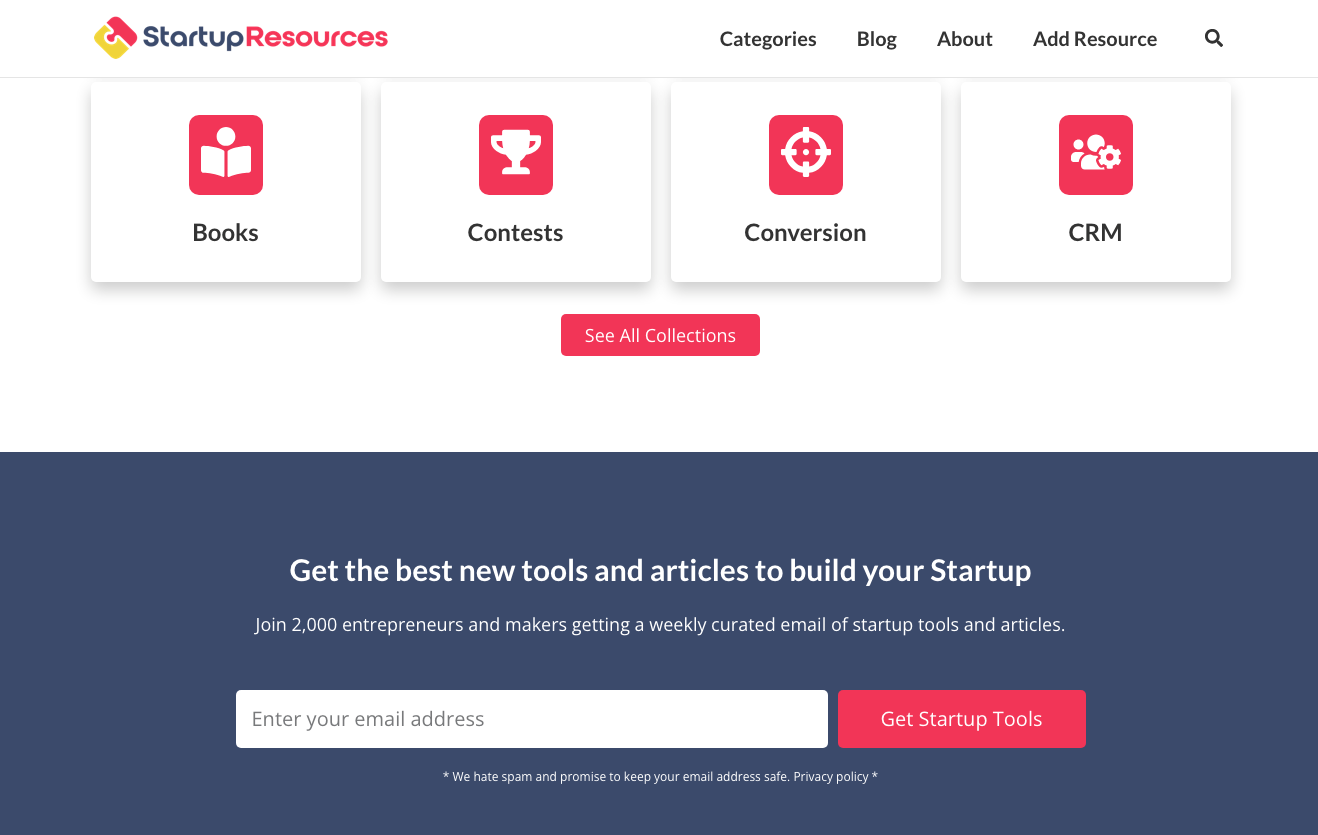
Source: startupresources.io
Knowing What the Brand Rejects Creates a Clearer Point of View
A brand’s mission and values are closely connected to its personality and reputation. They act as a compass for the organization’s conduct. And they need to be present in the brand’s voice and messaging, especially in a world where 62% of consumers exhibit value-spending behavior.
But while a memorable voice should definitely reflect everything your business believes in and stands for, it’s equally important to be vocal about everything that your organization rejects.
This branding practice is particularly important when it comes to industry standards and behaviors you know your target audience doesn’t approve of.
According to research, if a brand doesn’t mention what it’s doing to address societal issues, 53% of consumers will assume it’s doing nothing or hiding something.
In other words, building a strong brand voice that appeals to your ideal customers is not only about highlighting positive brand characteristics and making impressive claims. It’s just as much about rejecting clichés, exaggerated promises, and communication styles that don’t align with your organization’s values.
Ultimately, the goal isn’t disruption or confrontation. It’s committing to clarity regarding the concerns your ideal customer base genuinely cares about.
Check out how Investing.io does it on its homepage. This business offers prospects access to a weekly investing newsletter and a community-led forum where subscribers can connect with like-minded entrepreneurs. What’s interesting about Investing.io’s brand voice is that it strongly rejects industry practices it deems harmful to its target audience. So, it’s vocal about its commitment to avoiding shill and hot-tip culture, establishing a clear anti-hype voice in the investing community, where those characteristics are exactly what most brands build their reputations on.

Source: investing.io
The Voice Should Match the Audience’s Emotional Stakes
Consumer emotions directly predict purchase intent.
Just as fear and excitement can increase the likelihood of a conversion happening, stress and uncertainty can significantly reduce it. Of course, your marketing strategy can influence your prospects’ emotional state during interactions with your business. And that includes your brand voice too.
How you communicate and frame specific products or services directly affects your prospects’ confidence and risk aversion.
For example, playful language may be appropriate when encouraging low-stakes purchases, where your leads are most likely to be making their buying decisions based on non-essential needs or lifestyle aspirations. However, your brand voice needs to be much more serious and focused on reassurance when the stakes are high.
To get this aspect of your brand’s personality right, consider the emotional challenges your prospects are likely to face as they move through the buyer’s journey.
Are they seeking clarity and practical guidance? Are they experiencing uncertainty or having second thoughts? Perhaps they’re looking for actionable advice to help them make the best possible buying decision they won’t regret.
Your brand’s voice needs to be exceptionally customer-centric in these situations. And the benefits of getting it right won’t just be reflected in your brand’s conversion performance. Research suggests that marketing content that feels authentic, relatable, and emotionally resonant inherently elicits a more positive response among consumers.
AsiaPatient’s brand voice is an exceptional example of how a trusted clinic guide can help prospects overcome their fears with the right communication style. This brand employs a patient-first voice that is fully rooted in evidence and reassurance. It highlights customer benefits including 60%-80% cost savings, strict adherence to international standards, and explains the entire recovery process from start to finish. In doing so, AsiaPatient effectively uses its brand voice to manage prospects’ negative emotions and make them more comfortable with traveling to Thailand for a hair transplant.

Source: asiapatient.com
Consistency Makes a Brand Voice Recognizable
Finally, when it comes to developing a great brand voice, it’s essential to understand that none of your attempts at having your messages resonate with your target audience will deliver the results you’re after unless you practice consistency.
Follow-through is an essential aspect of building brand memorability and developing brand-customer relationships. Plus, research shows that companies with consistent branding see up to a 33% increase in revenue, which clearly demonstrates the value of a recognizable brand voice.
Of course, consistency does not mean that all of your copy needs to sound identical. It simply indicates that the vocabulary, emotional impact, level of formality, and overall communication should remain recognizable across all customer touchpoints (while adapting to different contexts).
One of the easiest methods to ensure this level of cohesion is to document your branding strategy, with a section dedicated to voice. By defining and outlining the principles of how your brand communicates (and why it does so), you can maintain coherence as your business grows and your marketing and customer teams inevitably expand.
Dbrand is an exceptional example of voice consistency, as the electronic device accessory company bases its entire brand personality on an unorthodox communication style with its customers. Throughout its online presence, including its marketing messaging and customer support interactions, this brand ensures that its personality shines through with every piece of copy, whether it’s asking web visitors to sign up for a newsletter, interacting with followers on social media, or explaining the benefits of its latest product release.
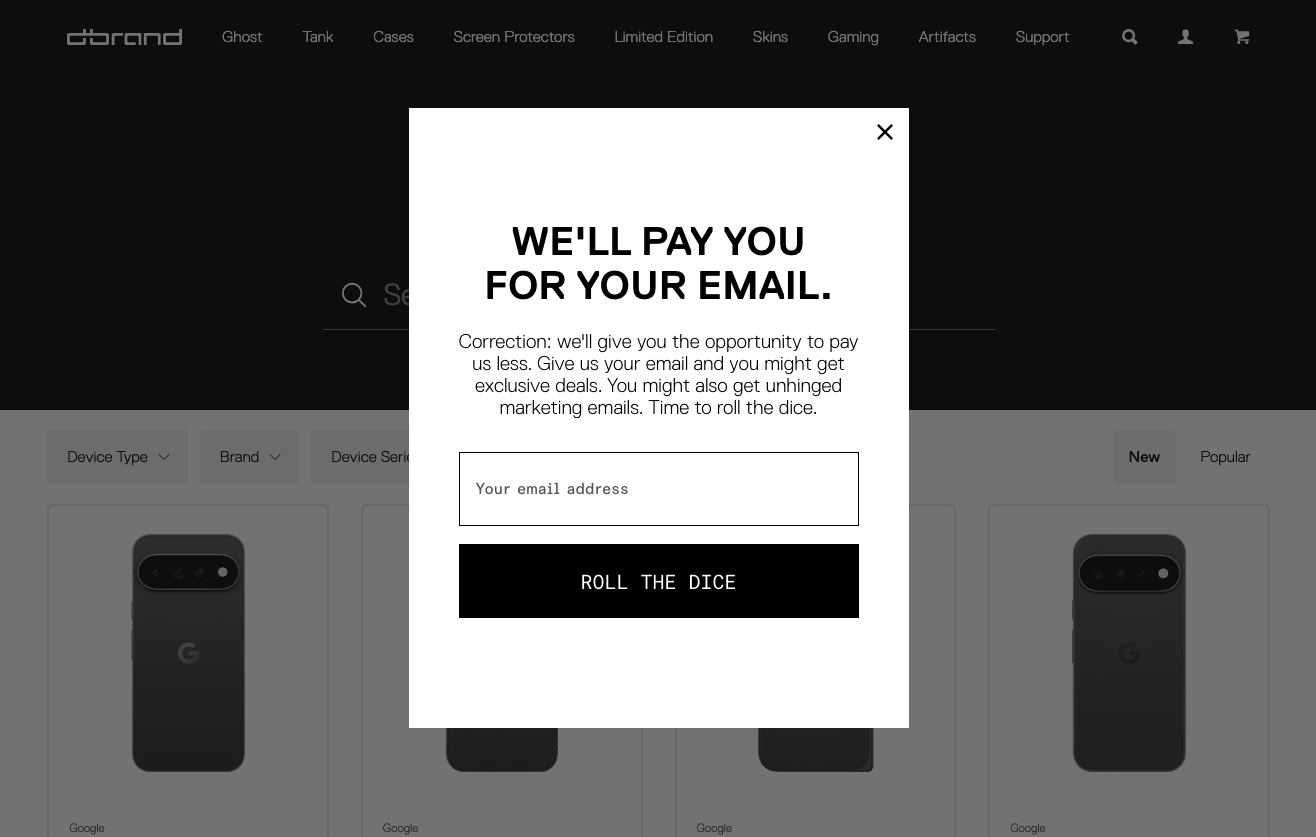
Source: dbrand.com
Final Thoughts
Developing and maintaining a strong brand voice is crucial for eliciting positive reactions to your brand’s copy from your target audience. It helps maximize product clarity, value-based alignment, emotional resonance, and memorability.
The lessons covered in this article are a great start toward developing a brand voice that doesn’t just reflect your brand’s identity but also guarantees that your messaging resonates with your ideal customers. They’re the basis for building meaningful customer relationships, which you can then nurture with the ClientVenue all-in-one client and project management portal to ensure maximum satisfaction, retention, and efficiency.
Cover Photo by Tima Miroshnichenko


.svg)


